

At that time Merodach-baladan the son of Baladan, king of Babylon, sent envoys with letters and a present to Hezekiah, for he heard that he had been sick and had recovered. And Hezekiah welcomed them gladly. And he showed them his treasure house, the silver, the gold, the spices, the precious oil, his whole armory, all that was found in his storehouses. There was nothing in his house or in all his realm that Hezekiah did not show them. Then Isaiah the prophet came to King Hezekiah, and said to him, “What did these men say? And from where did they come to you?” Hezekiah said, “They have come to me from a far country, from Babylon.” He said, “What have they seen in your house?” Hezekiah answered, “They have seen all that is in my house. There is nothing in my storehouses that I did not show them.” Then Isaiah said to Hezekiah, “Hear the word of the Lord of hosts: Behold, the days are coming, when all that is in your house, and that which your fathers have stored up till this day, shall be carried to Babylon. Nothing shall be left, says the Lord. And some of your own sons, who will come from you, whom you will father, shall be taken away, and they shall be eunuchs in the palace of the king of Babylon.” Then Hezekiah said to Isaiah, “The word of the Lord that you have spoken is good.” For he thought, “There will be peace and security in my days.”
Isaiah 39:1-8
I have been stuck on this text for over a month, and I believe there are valuable lessons for us to learn within this text. Chapter 39 of Isaiah provides an intriguing account that offers valuable insights into the consequences of pride and the importance of trusting God.
This story takes place in the 8th century BC during the reign of King Hezekiah, and the prophetic ministry of Isaiah. This same story is recorded in 2 Kings 20. When looking at the kings of Judah in the time of the Divided Kingdom, Hezekiah was one of the few that stood out for being identified as righteous, as he sought to bring about spiritual reforms and turn the nation back to God. He removed idols, reinstated proper worship in the temple, and encouraged the people to follow God’s commandments.
Most of us probably think of Babylon as a mighty kingdom, and the many references to it in both the Old and New Testament. It was known for its advanced civilization, military strength, and ambition for expansion. In the context of Isaiah 39, it is important to understand that Babylon was beginning to assert its influence in the region, challenging the existing power dynamics dominated by Assyria. Babylon sought to establish alliances and diplomatic relations with other nations, including Judah, as part of its broader geopolitical strategy.
During Hezekiah’s reign, he fell gravely ill but was miraculously healed by God in response to his prayers (Isaiah 38). This miraculous healing understandably gained attention, and Babylon, which saw Judah as a potential ally or vassal state, sent envoys to congratulate and establish diplomatic relations with King Hezekiah. This is where our focus picks up in the story of Hezekiah.
And Hezekiah welcomed them gladly. And he showed them his treasure house, the silver, the gold, the spices, the precious oil, his whole armory, all that was found in his storehouses. There was nothing in his house or in all his realm that Hezekiah did not show them.
Isaiah 39:2
The Babylonian envoy has arrived, and King Hezekiah gives a warm welcome. It was not uncommon for ancient kings to showcase their wealth and power to visiting envoys or dignitaries from other nations. Such displays of wealth and strength were often intended to impress and demonstrate the ruler’s prestige, grandeur, and the strength of their kingdom. In the ancient world, the wealth and possessions of a king were seen as symbols of his power and influence. By showcasing their treasures, including precious metals, jewels, fine textiles, and other valuable goods, kings aimed to convey their wealth, prosperity, and the abundance of their kingdom. In addition, the display of military might, such as armaments, weaponry, and the size of the army, was another way for rulers to assert their strength and intimidate potential adversaries.
In the specific case of Hezekiah here, his display of wealth and military might to the Babylonian envoys can be seen as a strategic and diplomatic gesture, potentially aiming to solidify a favorable relationship with Babylon or deter any hostile intentions from them. While this was customary practice in ancient times, it was not reflective of a righteous king of God’s people. Instead of seeking God’s guidance, Hezekiah made a grave mistake by proudly displaying all his treasures and military might to the Babylonian envoys. His decision revealed a lack of discernment and an overemphasis on earthly possessions, fame, and power.
It wasn’t long for the Prophet Isaiah to take notice and come question King Hezekiah.
Then Isaiah the prophet came to King Hezekiah, and said to him, “What did these men say? And from where did they come to you?” Hezekiah said, “They have come to me from a far country, from Babylon.”
Isaiah 39:3
What is interesting here is that Isaiah asks King Hezekiah two very specific questions. What did they say, and where they came from. However, Hezekiah only answers the second question. While Isaiah does not seem to press him further on the first questions, I find it interesting that Hezekiah neglected to answer it.
After Hezekiah tells him the envoy came from Babylon, Isaiah asks him a third question. This gets to the meat of the story, as Hezekiah reveals to Isaiah that nothing was hidden from the Babylonians. Hezekiah showed them everything, from the wealth of the nation to its military might. He proudly displayed his treasures and military strength to them, revealing his vulnerability and lack of discernment.
What follows next is a pronouncement of judgement from God, through the Prophet Isaiah.
Then Isaiah said to Hezekiah, “Hear the word of the Lord of hosts: Behold, the days are coming, when all that is in your house, and that which your fathers have stored up till this day, shall be carried to Babylon. Nothing shall be left, says the Lord. And some of your own sons, who will come from you, whom you will father, shall be taken away, and they shall be eunuchs in the palace of the king of Babylon.”
Isaiah 39:5-7
Isaiah proclaims to King Hezekiah what would eventually be the demise of him and God’s people as the nation of Judah. Because of his pride and failure to trust in God, the treasures and wealth accumulated during his reign will be plundered by Babylon. Additionally, some of his descendants will be taken captive and serve in the palace of the Babylonian king as eunuchs.
His response to this prophetic news is at first confusing until you consider what was evident already, a lack of discernment and wisdom, and a great deal of pride.
Then Hezekiah said to Isaiah, “The word of the Lord that you have spoken is good.” For he thought, “There will be peace and security in my days.”
Isaiah 39:8
Hezekiah failed to see the long-term implications of his decisions in the present. How showing the wealth and strength of Judah to Babylon gave them insight into the nations vulnerabilities, weaknesses, wealth, and his own personal poor leadership qualities.
The story of Hezekiah is one that shows God’s great hand of mercy through Hezekiah’s healing, while also showing us how quickly we can loose sight of what’s truly important. What we see happen in the story of Hezekiah is a wealth of lessons for us today. I believe there are four practical applications from Hezekiah’s life that will change your life.
Beware of Pride
Hezekiah’s downfall was his pride in displaying his wealth and power. It serves as a reminder to us that pride can blind us to our need for God and cause us to rely on our own accomplishments and possessions. Proverbs 11:2 tells us “When pride comes, then comes disgrace, but with the humble is wisdom.” Proverbs 16:18 drives home the principle even more saying “Pride goes before destruction, and a haughty spirit before a fall.” Pride clearly leads to destruction.
When speaking to the crowds of people after addressing the Pharisees, Jesus lists pride as one of the things that defiles a person from within.
For from within, out of the heart of man, come evil thoughts, sexual immorality, theft, murder, adultery, coveting, wickedness, deceit, sensuality, envy, slander, pride, foolishness. All these evil things come from within, and they defile a person.”
Mark 7:21-23
Humility and dependence on God should be the guiding principles in our lives. Recognizing the pitfalls of pride in our own lives is crucial. It requires a posture of humility, acknowledging that everything we have comes from God and that we are dependent on Him for our well-being and success. It means embracing a mindset that seeks God’s guidance, surrendering our own desires and plans to align with His will.
By cultivating humility and a deep awareness of our need for God, we can guard against the dangers of pride. This involves regularly examining our hearts and motives, evaluating our priorities, and intentionally placing our trust in God rather than in our own accomplishments or possessions. In doing so, we open ourselves to the wisdom, grace, and blessings that come from a humble reliance on our Creator.
Prioritize Eternal Values
Hezekiah’s focus on earthly treasures proved to be futile. He was proud of what he had, and he flaunted it in an attempt to impress the people that would eventually become the captors of the nation he was entrusted to lead. Paul provides valuable guidance regarding our pursuits and priorities. He warns us to focus our pursuits on things that are holy and of God.
For the love of money is a root of all kinds of evils. It is through this craving that some have wandered away from the faith and pierced themselves with many pangs. But as for you, O man of God, flee these things. Pursue righteousness, godliness, faith, love, steadfastness, gentleness.
1 Timothy 6:10-11
We should learn from Hexekiah’s mistake and Paul’s instruction, and prioritize eternal values such as faith, love, and righteousness. Material possessions are a temporary thing, even a blessing, but can often distract us from pursuing a meaningful relationship with God. Following Jesus requires us to let go of what we hold closest, to pick up our cross daily. It’s a process of self-denial in pursuit of holiness.
If then you have been raised with Christ, seek the things that are above, where Christ is, seated at the right hand of God. Set your minds on things that are above, not on things that are on earth.
Colossians 3:1-2
Earthly possessions and achievements are temporary and can distract us from our ultimate purpose: to seek and serve God. While it is not inherently wrong to have possessions or wealth, our focus should be on using these resources for God’s glory, showing generosity, and pursuing holiness rather than being consumed by the pursuit of material gain.
Trust in God’s Guidance
Hezekiah’s failure to consult God before displaying his treasures highlights the importance of seeking God’s divine guidance in every aspect of our lives. Trusting in God’s wisdom and guidance ensures that our decisions align with His will and purpose. God desires to be involved in every area of our lives, both big and small. He longs for us to approach Him with our plans, ambitions, and desires, seeking His wisdom and direction. When we do this, we acknowledge our reliance on Him and recognize that His plans are higher and wiser than our own.
King Solomon encapsulates this truth so well in his writing of Proverbs.
Trust in the Lord with all your heart,
Proverbs 3:5-6
and do not lean on your own understanding.
In all your ways acknowledge him,
and he will make straight your paths.
When we trust in God wholeheartedly and acknowledge Him in all aspects of our lives, we open ourselves to His guidance and leading. Trusting in God wholeheartedly means placing our confidence in His character, faithfulness, and promises. It involves relinquishing control and submitting our plans, dreams, and desires to His loving care. By acknowledging Him in every area of our lives, we invite Him to be the guiding force and the centerpiece of our decisions. He is not only concerned with the big life-altering decisions but also the everyday choices and circumstances we face. As we acknowledge Him, we invite Him into the details, seeking His wisdom, guidance, and discernment.
Trusting in God wholeheartedly doesn’t mean we won’t face challenges or difficulties. However, it means we have an unwavering confidence that God is with us, leading us through every situation.
Seeking God’s divine guidance involves spending time in prayer, studying God’s Word, and cultivating a sensitivity to His voice through the Holy Spirit. It means surrendering our desires and preferences to align with His perfect will. God delights in revealing His plans and purposes to those who seek Him diligently.
In seeking God’s guidance, we can avoid the perils of relying solely on our limited understanding and human wisdom. Hezekiah’s lack of consultation with God led to unforeseen consequences and challenges. In contrast, when we prioritize seeking God’s guidance, we position ourselves to make decisions that align with His will, experience His peace, and walk in His favor.
Consider the Consequences of Our Actions
Hezekiah’s prideful actions had far-reaching consequences that affected not only himself but also future generations. This serves as a powerful reminder that our choices and actions can have ripple effects beyond our immediate circumstances, and underscores the importance of considering the potential consequences before making decisions.
Every day we have choices, and our choices have the power to shape our lives and the lives of those around us. They can impact our relationships, our careers, our spiritual well-being, and even the legacy we leave behind. It is crucial to recognize that our decisions are not made in isolation but have the potential to reverberate through time.
Do not be deceived: God is not mocked, for whatever one sows, that will he also reap. For the one who sows to his own flesh will from the flesh reap corruption, but the one who sows to the Spirit will from the Spirit reap eternal life.
Galatians 6:7-8
What we do in life matters. How we do it matters. This principle Paul is communicating to us here applies not only to our actions but also to the attitudes and motivations behind them. If we sow pride, arrogance, and self-centeredness, we can expect to reap the negative consequences that come with them. On the other hand, when we sow to the Spirit, meaning when we align our lives with the guidance and leading of the Holy Spirit, we will reap eternal life. This points to the positive outcomes and blessings that result from a life lived in submission to God’s will, characterized by righteousness, obedience, and a pursuit of His Kingdom.
Considering the potential consequences of our decisions involves seeking wisdom from God, seeking counsel from trusted Godly spiritual leaders, and evaluating our choices through the lens of God’s Word. It means recognizing that our actions carry weight and have implications for ourselves and future generations.
It is essential to cultivate a mindset of stewardship, recognizing that our lives and resources are entrusted to us by God. We are called to use them wisely and with an understanding of their long-term impact. This requires humility, discernment, and a willingness to surrender our own desires for the greater good.
What we do today has a lasting impact tomorrow.
As I reflect on these practical applications, I want to be intentional in living them out. I want to cultivate humility in my life, seeking to bring God glory rather than myself. I want to invest in the things that eternally matter and align my life every day with God’s values. I want to trust in God’s sovereign guidance, and seek His wisdom in every decision I make. I want to be mindful of the consequences of my actions as I strive to make choices that reflect a heart fully surrendered to God.
By applying these lessons from King Hezekiah’s life, we can navigate our lives with wisdom, faith, and a steadfast commitment to living in alignment with God’s will and purpose. May our lives be transformed as we strive to walk humbly, prioritize eternal values, seek God’s guidance, and carefully consider the consequences of our actions.

I’ve been stuck reflecting on the story of Elijah in 1 Kings 17, bringing the widow’s son back to life. Elijah is one of the most prominent Prophets we encounter in Scripture, finding him referenced even in the New Testament. At one point, we learn in the New Testament that some thought Jesus was Elijah. His ministry and influence in the nation of Israel were noteworthy, to say the least. 1 Kings 17 begins with Elijah prophesying a drought in Israel as a judgment against the wickedness of King Ahab and his wife Jezebel. He then fled to the Brook Cherith, where ravens fed him. Later, he stayed with a widow in Zarephath, where God miraculously provided food and oil for them during the drought he prophesied. And this is where it gets really interesting!
After this the son of the woman, the mistress of the house, became ill. And his illness was so severe that there was no breath left in him. And she said to Elijah, “What have you against me, O man of God? You have come to me to bring my sin to remembrance and to cause the death of my son!”
1 Kings 17:17-18
The widow who has been faithfully feeding and caring for Elijah now blames him for her son’s death! After witnessing and partaking in the miraculous provision of food over and over again, she now thinks her son’s death is the pronouncement of judgment for her sin by God through Elijah.
One of the things I find interesting about this exchange is that Elijah does not take time to argue with the widow over her accusation. He simply tells her to give him her son, and off he goes.
Now, there is something significant here that I think we have to pause and understand. In ancient Jewish culture, a dead body was considered unclean. To touch it, let alone pick it up and carry it around, would defile you. One would have to go through an entire process to become cleansed. What sticks out to me as significant here is that this issue seems to not even concern Elijah. We don’t see him pause and consider the implications of becoming unclean in a culture that placed significant importance on being ceremonially clean.
And he said to her, “Give me your son.” And he took him from her arms and carried him up into the upper chamber where he lodged, and laid him on his own bed.
1 Kings 17:19
Elijah has no issue with touching a dead body. It doesn’t bother him in the slightest. He just takes the boy and lays him down on his bed. But Elijah’s interaction with the boy’s dead body doesn’t stop there.
And he cried to the Lord, “O Lord my God, have you brought calamity even upon the widow with whom I sojourn, by killing her son?” Then he stretched himself upon the child three times and cried to the Lord, “O Lord my God, let this child’s life come into him again.”
1 Kings 17:20-21
Elijah takes the boy to his room, where he prays fervently to God three times, stretching himself over the child’s body each time. He literally spread his own body over the child, covering him. The use of physical contact between Elijah and the child underscores the prophet’s empathy and concern for the boy’s well-being. We also see the urgency and intensity of Elijah’s prayer and the importance of persistence in seeking God’s intervention with the repetition of his prayers to God. And the outcome is miraculous!
And the Lord listened to the voice of Elijah. And the life of the child came into him again, and he revived. And Elijah took the child and brought him down from the upper chamber into the house and delivered him to his mother. And Elijah said, “See, your son lives.” And the woman said to Elijah, “Now I know that you are a man of God, and that the word of the Lord in your mouth is truth.”
1 Kings 17:22-24
Elijah’s prayers are answered and the son is restored to his mother who now, seeing the miraculous once again happen, acknowledges him as a Prophet. Despite the widow’s initial thinking and accusation, we see God still used Elijah to bring restoration to her son’s life and their relationship.
Perhaps what strikes me about this passage is how much I see a parallel between what God did through Elijah for the widow and her son, and what God did through Jesus for me.
Here is a man who willingly took on defilement to bring life and restoration, Elijah.
And then there is Jesus, God in flesh who stepped down from his Heavenly Throne to take on the sin, brokenness, defilement, and pain of the entire world…all so we could have true life and a restored relationship with our Father.
I see in the story of Elijah a foreshadowing of Jesus Christ, who willingly defiles Himself for my benefit.
I was once dead, but He brought life back to my soul.
I was once hopeless, but He restored my hope.
I was once lost in sin and darkness, but He brought light into my life.
I was once broken and separated from God, but He restored me to Him.
God clearly desires to intervene in my affairs. He desires to give me the best. He is a God of life who cares for His creation and is not indifferent to human suffering. So much so, that Jesus willingly went to the cross I should have hung on. You can’t demonstrate love better than that.
Like the widow, we have a choice to make. It doesn’t stop with accepting Jesus Christ as Savior. It’s a daily choice to acknowledge Him as Lord and submit to Him. Her miracle was having her son restored to life and relationship with her, which fueled her conviction and subsequent action. My miracle is Jesus restoring my life and relationship with my Father. Does that fuel my conviction?
I am reminded in this passage of Elijah’s story, of God’s compassion and willingness to intervene in my life. It also highlights the importance of my faith in experiencing God’s power. As believers, we can be encouraged and inspired by this story to trust in God’s ability to bring healing and restoration to our life. Just as Elijah did for the widow’s dead son, Jesus did for us on the cross. And just as the widow had to make a choice to accept Elijah as the Prophet of God, we have a choice to accept Jesus as Lord and Savior.
Will you?
Have you?
What does your life say?
The widow proclaimed with her mouth that Elijah was a Prophet. It’s time we do the same about Jesus as Lord and Savior.

I’m not sure if you’ve noticed or not, but this tends to be a busy time of year for most people. Hosting, planning, buying, shopping…and somewhere in that business we often get lost in, we try to spend time with family, get enough sleep, and maybe even travel a little. Busy this time of year looks different for everyone, but the truth is most of us find ourselves busier than we’d like. And we will tell ourselves “it’s only for a few weeks”. Give it till the end of the year, January will be different!
But is it? Will our schedules really be any different come January, or will it just have a different month attached to it?
I started a new study and its focus is finding a healthy rhythm. The idea is there is a natural God-ordained rhythm for us, and we often get knocked out of it by all the exterior things of life. A rhythm of spiritual, emotional, mental, and physical health that is grounded in God.
One of the foundational texts of this study is from David’s story in 1 Samuel. Read this…
David left Gath and escaped to the cave of Adullam.
1 Samuel 22:1
David was on the run. He was fleeing King Saul who was in pursuit of killing him. David was like royalty in his nation; He killed Goliath, and he led armies in victorious battles. He out-performed the King to the extent that the people sang David’s praises more than the King. Even other nations knew of his greatness, which was revealed when David went before Achish the king of Gath.
Exhausted, I’m sure feeling defeated and alone, David finds himself in a familiar place…the caves of Adullam. It was a place he found refuge in, hidden away from his “busyness” of life. The cave of Adullam was a place where David found some peace, and an opportunity to find his rhythm again.
Maybe this time of year you find yourself feeling like David in a way; always running, feeling like your list of to-dos never ends, with no more time in your day to get done the things you HAVE to get done. And what you need is a breather. Your rhythm is off, and your focus and priorities are misaligned. You need a reset like David did. But, you need to get to a place that can happen. For David, it was a familiar cave. A place to disconnect and break away from the craziness of life to get alone with God.
What’s the Cave of Adullam for you? Where can you go to unplug for a moment and get quiet with God?
David left the cave renewed, and 400 men stronger. He got away, spent time with God, and found himself surrounded by men who walked with him as their leader. His focus was renewed and re-centered on God.
From there David went to Mizpah in Moab and said to the king of Moab, “Would you let my father and mother come and stay with you until I learn what God will do for me?”
1 Samuel 22:3
David left the cave transitioning from hiding to pursuing. There was a shift in his heart and mind from fleeing King Saul in a panic to pursuing what God would have him do. And this transition came out of a time of rest and a resetting of his rhythm.
This season, take some time to escape to a familiar place and reset your rhythm. Give God the opportunity to speak to you. Give God the opportunity to reset your rhythm and renew your spirit. Don’t enter the celebration of our Savior’s birth exhausted, overwhelmed, and feeling defeated. God will speak and refresh. Give Him the opportunity.

Throughout Scripture we find at different times, the people of God going before Him in prayer. We get a glimpse into the spiritual condition and desires of those seeking after God, and I believe in each situation there is something of great value for us to learn.
The prayer of King Hezekiah in light of Assyria’s apparent invasion is one that captivates me.
15 And Hezekiah prayed to the Lord: 16 “O Lord of hosts, God of Israel, enthroned above the cherubim, you are the God, you alone, of all the kingdoms of the earth; you have made heaven and earth. 17 Incline your ear, O Lord, and hear; open your eyes, O Lord, and see; and hear all the words of Sennacherib, which he has sent to mock the living God. 18 Truly, O Lord, the kings of Assyria have laid waste all the nations and their lands, 19 and have cast their gods into the fire. For they were no gods, but the work of men’s hands, wood and stone. Therefore they were destroyed. 20 So now, O Lord our God, save us from his hand, that all the kingdoms of the earth may know that you alone are the Lord.”
Isaiah 37:15-20
The Rabshakeh of Assyria had come before the city of Jerusalem after capturing the fortified cities of Judah. He now threatened the city of Jerusalem and with it the people of Israel. Rabshakeh’s words struck fear into the hearts of Eliakim, Shebna, and Joah, leaders of the people of Israel appointed by King Hezekiah. The Rabshakeh declared that the Lord had spoken deliverance of Jerusalem into the hand of the king of Assyria, and they ought not to fight the pending outcome of their destruction.
It’s in light of these circumstances that we find King Hezekiah going before God in prayer. A prayer for deliverance, one seeking redemption and protection from a looming empire at the doorstep of God’s holy city. But what strikes me most about Hezekiah’s prayer is the end.
20 So now, O Lord our God, save us from his hand, that all the kingdoms of the earth may know that you alone are the Lord.”
Isaiah 37:20
What I find most interesting here is the focus of Hezekiah’s prayer. While he asked for the Lord to save His people, it wasn’t for the benefit of the people. It was for the glory and recognition of the Lord! The benefit of the people was simply collateral. The fact the people would be saved was an outcome of God being glorified through the earth knowing He alone was the Lord.
Don’t get me wrong, I believe Hezekiah desired to see God’s people rescued. I believe Hezekiah desired to see the Assyrian army dispelled from Jerusalem’s front door. But of greater desire was seeing God show up, and be recognized by all the nations of the world for who He is. Hezekiah desired most of all for God to be glorified.
This leads me to pause and consider the real motives behind my prayers. When I go before God with a request, what is it that I am truly desiring? Is the outcome I want of greater importance to me than what God wants and receives?
The truth is, more than not my prayers are of a selfish nature. They are requests of wants and needs simply because I am needy and want what I want. I become consumed with myself and lose focus on the bigger picture, what’s of greater importance. What’s more important is that others see who God is when He shows up. That the people around me see God is all that He says He is, whether I get what I want or not. It’s not about me, it’s about Him receiving the honor and glory He is due.
Hezekiah wanted to see Jerusalem rescued, no doubt. But more than that he wanted to see people recognize who God was. With Christmas around the corner, it seems fitting to ask the question ourselves: do I care more about getting what I want, or seeing people come to know Christ? When I take my requests before God this season, what’s the priority?
My desire is for God to be known. That’s the greatest priority, and I want my prayers to reflect that.
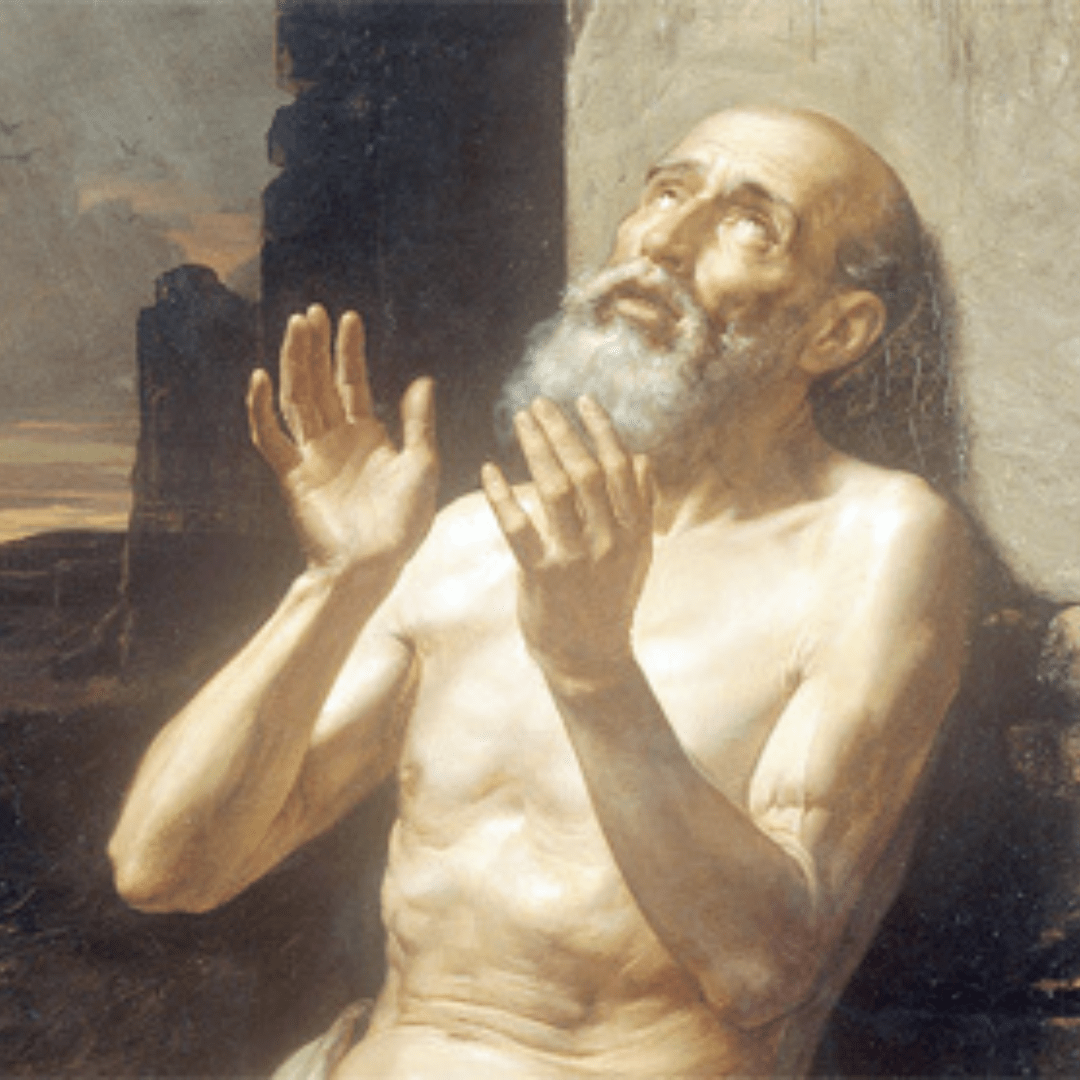
As I finished the book of Job in the Old Testament, there was a passage in Job’s confession and repentance to God that stuck out to me.
“I had heard of you by the hearing of the ear, but now my eye sees you; therefore I despise myself, and repent in dust and ashes.”
Job 42:5-6
Job had just finished hearing an answer from the Lord, an answer that came in a way I don’t think he was expecting. When you look at the discourse between Job and his friends, the questions Job asked were for an understanding of why such destruction had come to him. He wanted understanding as to why he was inflicted so much pain and suffering, such loss. But the answer he received was something bigger than himself and his situation.
“Who then is he who can stand before me? Who has first given to me, that I should repay him? Whatever is under the whole heaven is mine.”
Job 41:10-11
God’s answer to Job’s questions was simple. He was God. He holds all authority, wisdom, and knowledge. Nothing happens without His acknowledgment, and there is purpose in all He does. While Job knew this, I think it would be safe to argue he had yet to understand it. He may have thought he experienced God’s goodness in the receiving of blessing before, but it was through the trial of loss that Job truly began to understand God’s goodness. And it was when the understanding was fully realized, Job knew how great God is. In awe and reverence, Job repents once again finding himself in the dust and ashes.
I’ve often questioned God when my life seems to be in chaos. When the things I have been blessed with begin to fall away. I have a tendency to approach God with arrogance, asking “Why did you take my stuff?” You see, I fail in those times to understand like Job, that I haven’t given God anything. Nothing is mine. Everything under the heavens is His, and He has the authority to give and take at His will, not mine.
Job came to understand fully where his blessing came from. At the end of the day God poured out His blessing on Job, simply because it was in His authority to do so. Just as it was in His authority to allow Satan to rain destruction on Job’s life. Job despised himself for his arrogance in thinking God owed him an answer, a justification for taking his blessing away. How often do we act the same way?
How often do we face hardship and think, “God, you owe me an explanation here!” How often do we question God’s actions, finding ourselves justified in our own eyes? It’s not that asking God questions is a bad thing. Looking back and reflecting more on Job’s words though, I see something deeper we must be cautious of. In seeking an understanding of God’s actions, we must be careful to not question His authority. One seeks understanding, and the other seeks justification. Job’s story teaches me that I have no place to question God’s justification for His actions. If I truly believe He is sovereign, then who He is is justification enough.
Like Job, I may not fully understand the whole picture. But I don’t have to either. At the end of the day, God simply calls me to trust and obey. Trust and obey. At the end of the day, Job trusted and obeyed. And what I love about Job’s story is God honored his faith and obedience with a greater blessing than he had before.
And the Lord restored the fortunes of Job, when he had prayed for his friends. And the Lord gave Job twice as much as he had before.
Job 42:10
In the end, Job’s story challenges me with this question: How do I approach God when my life is flipped upside down? Do I harbor arrogance, believing deep in my heart that God has taken my things? Or do I truly seek to understand God’s plan for my life and how this fits in the big picture? One is rooted in distrust and pursuit of my own glory. One is rooted in the trust and obedience of Him.

In one of Job’s late responses to his friends, he addresses the topic of wisdom. He echoes a familiar truth that meets find repeated over and over again in the book of Proverbs.
“And he said to man, ‘Behold, the fear of the Lord, that is wisdom, and to turn away from evil is understanding.’”
Job 28:28
When tragedy struck Job’s life, he wasn’t free from experiencing the deep hurt and pain, the questions and doubts that creeped up. Throughout his discourse with his 3 friends, he continued to rest on significant truths about God and His ways. This time here is no different. Despite his confusion and frustration with his current circumstances, and the continual accusations from his friends, Job rested in an understanding that a correct honor and respect of who God is would lead to wisdom and understanding.
As I read through Job’s story going back and forth with his friends I’m reminded of the many times in my life, where I have wrestled with God. The times I felt hurt and abandoned. When I wasn’t getting the answers I wanted in the time I wanted. Pouring my heart and mind out to a God who seemed silent and distant in the moment. And then I’d be reminded of His past provision. I’d be reminded of who He is and what He can do.
And a reverence for Him captivates me.
In the midst of hurt, my fear of the Lord is what grounds me. It brings my perspective back into alignment with reality. Job had to ground himself in the truth of who God is. He had to fight the temptation we all face, to let our circumstances and emotions skew our perspective and undermine reality.
This truth is empowering. When I fear the Lord, when I have a reverence for Him, it shapes my thinking. And I begin to live in a way that reflects trust in God regardless of what I am facing. That empowers me to turn from evil and truly find understanding.
Finding understanding doesn’t always mean having the answers to our questions. Sometimes it just means having peace in the midst of chaos, because we understand who God is and that He is still in control.
Maybe instead of just looking for answers to our “why”, we should look for peace. Maybe we should hit the pause button on our thoughts and emotions, and allow the fear of the Lord to consume us; to remind us of who God really is.

One of the toughest questions to be faced with as a follower of Jesus, is why God allows bad things to happen to good people. It’s a question that for years I feared, because it’s easy to feel trapped in a corner. Why would a loving God allow His creation to suffer? I mean, it’s a valid question. It does seem to go against who God is, doesn’t it? And I would agree with that from a very surface level approach to who God is.
Job’s story is one of seeming contradiction to who God is. Job was an upright, holy, blameless man. That’s how God described him to Satan. Throughout the dialogue between Job and his friends we see this wrestling with who God is in light of what has happened in Job’s life. Yet, as Job works through his thoughts and feelings, facing accusations and rebukes from the friends who have joined him, He continues to come to rest on a significant truth.
“But ask the beasts, and they will teach you;
Job 12:7-10
the birds of the heavens, and they will tell you;
or the bushes of the earth, and they will teach you;
and the fish of the sea will declare to you.
Who among all these does not know
that the hand of the Lord has done this?
In his hand is the life of every living thing
and the breath of all mankind.
Regardless of how he felt about his circumstances, that he was unjustly afflicted, and confused about why this had happened to him, Job understood God was in control. God was in control! And if this is true, if God is truly sovereign over everything, nothing happens without first passing through Him. That means, everything Job faced was approved of by God Himself.
Despite the feelings Job had, he seemed to find some sense of peace and comfort in the truth of God’s control. Maybe you’ve face a situation that felt out of control. You couldn’t understand why what was happening, was happening to you. Maybe you’ve wrestled with the question of why God would allow something so terrible to happen to a good person. Maybe, that’s led you to question God’s goodness and His sovereignty.
I think Job could relate. The difference I see is that Job didn’t allow his questions to turn into doubts. He continued to seek understanding, not settle for disappointment. He still held firm to the truth that God was in control, despite the chaos and pain that seemingly surrounded him. He continued to push closer to God, deeper in his relationship. His pain became a catalyst for his growth.
I find encouragement and personal challenge in Job not settling. He didn’t let his frustrations settle in a heap of disappointments.
Though he slay me, I will hope in him;
Job 13:15
yet I will argue my ways to his face.
While understanding God allowed his pain to exist, he continued to find hope in Him. Job understood a deep truth I think we often forget in the midst of our own suffering: God is in control, even when it looks like He isn’t. Even though God allowed his faithful servant to suffer, Job continued to seek after and trust Him. Trust isn’t always absent of questions. And that’s ok, questions are how we learn. Job wanted to understand why God allowed such tragedy to take place. But his questions never got in the way of his faith.
What a lesson for us to learn, to be able to question while remaining faithful. To seek understanding with honor. Despite my circumstances, my lack of understanding, or the pain I face, God is still in control. He is still sovereign over everything. And nothing I face comes to me before passing through Him. I have to find peace in knowing there is a purpose, even if I don’t understand it. And even though He allows me to suffer, it doesn’t negate the truth that He loves me. Sometimes the pain we walk through is what we need most to grow. To grow as a person, to grow in our faith, to grow in our relationship with God. Pain is meant to push us closer to Him, but we have a choice in whether we do or not. Job chose to run towards God. He made a decision to seek Him for understanding and comfort. He was able to do that because he understood who God truly was, and let that truth guide him instead of his feelings and circumstances.
When pain finds you, what’s your response?
Does the wild donkey bray when he has grass,
Job 6:5-6
or the ox low over his fodder?
Can that which is tasteless be eaten without salt,
or is there any taste in the juice of the mallow?
I’ve been taking a slow walk through Job’s story. Taking time to read, reflect, dialogue with God, and learn some valuable lessons for my life from Job’s experience. Reading over his first response to his friend in chapters 6 and 7, these verses stuck out to me. I had to come back and re-read them several times.
Job’s response to his friend Eliphaz is in large part justifying his complaints to God. Have you ever complained about something in life? That’s probably an easy question to answer. It is really more of a rhetorical question because the reality is everyone complains about something. I know I do, a lot more than I should. And that is why this verse stuck out to me, I finally realized after reading it several times.
See, Job is really asking rhetorical questions here. Do we complain about good things? Do run after things we don’t really like or want? Look at the animals who have food, they don’t complain. Look at tasteless food, we don’t eat it without making an attempt to make it taste better.
Job is reminding his friend he has a just cause to bring before God. He just lost everything.
The question this raises in my own reflection is really simple. Are the things I bring before God really as important as I like to think they are?
As I said, I complain a lot. But the reality is, more often than not I complain about things that are unimportant. I tend to make mountains out of molehills when I bring my troubles to God. And it’s not that God is too big to deal with my little issues, or that I shouldn’t bring all of my cares and worries to God. But when I allow them to take greater precedence than they should, am I really honoring God in bringing it to Him the way I do?
Job lost everything, and he cried out to God. His friends, in their “wisdom”, rebuked him for it. But to Job’s defense, he wasn’t crying out to God over a small issue. This was his future, his offspring, wealth, and even his own health. He wanted to understand why such a gracious God seemingly turned His back on him. To his friends, Job was complaining to God for what they perceived as discipline for choices either he or his children made. But God himself declared Job was a righteous man, in whom no blame could be found.
When I read Job’s story, the dialogue between him and his friends, between him and God, I see a man struggling with his emotions trying to understand why God would allow such suffering to strike him. It makes me really think about complaining about my headache like it’s killing me. Or when I’m in a situation that pushes me out of my comfort zone. Or being disciplined for choices I made.
Are the things I bring before God of real importance? Or do I allow what are really just inconveniences to become of greater importance than they should? It’s not about “wasting God’s time”. That’s not it at all; it’s about focusing on things that really matter. How much time do I spend focusing on, and complaining about, things that I make more important than they really are?
And how much time and energy of genuine communion with God does that rob Him and me of?
Job’s life was flipped upside down. I think that’s a worthwhile issue to talk to God about. And whatever you’re facing might be too. My challenge is simply this in reflection of Job’s words: let the truly important things take precedence when coming before God. Let’s fight the temptation to make the small things big things. And let’s be sure we take the big things to God in a way that honors Him, seeking understanding over complaining.

Then Eliphaz the Temanite answered and said:
Job 4:1
I hate it when those close to me are facing hardship. Not just because I see them suffering, but because I often find myself struggling for the right thing to say. I often feel I have to say something, that the moment requires my encouragement.
When I look at the interaction of Job and his friends, I see at first what I struggle with. After sitting for days in silence, Job finally speaks. But what his friend’s hear is lamenting, they might have even said complaining. It becomes clear in Eliphaz’s initial words he felt Job was being impatient with God. His words in verse two of chapter four seem to indicate some hesitation to speak, thinking Job may respond to him the way Job has responded to God in his lament.
“If one ventures a word with you, will you be impatient?
Job 4:2
Yet who can keep from speaking?
Eliphaz takes time to do something I think is important to note. Before really diving into his reflection on Job’s circumstances, he commends Job for his influence and impact on the lives of others. Eliphaz speaks of how Job has encouraged, uplifted, and strengthened others when they have faced hardship. But now he is apparently crumbling in the midst of hardship of his own. Eliphaz sees his friend struggling to make sense of his circumstances, and angry at God. Despite the encouragement Job had offered others in their pain, he seemed unable to aid himself. What Eliphaz struggled to see at this moment was one who is suffering will often struggle to encourage themselves. Eliphaz missed an opportunity to offer the very encouragement Job needed, and instead began to rebuke him.
But now it has come to you, and you are impatient;
Job 4:5-6
it touches you, and you are dismayed.
Is not your fear of God your confidence,
and the integrity of your ways your hope?
In the midst of Job’s questions of God’s goodness, Eliphaz rebukes him for his apparent lack of faith. More than that though, Eliphaz saw the circumstances Job faced as potentially his own doing. Eliphaz’s theory in the next several verses indicates that those who remain righteous and holy don’t face calamity. Therefore, Job’s hardship must be because of Job’s own evil doings. You reap what you sow, thus Job is reaping calamity that he at some point has sown in life. The problem with this theory though is that it’s not entirely true.
All throughout Scripture we see righteous people face hardship. The truth is hardship finds the just and the unjust. Often, it seems as if those who don’t follow Jesus have a great life! Eliphaz rests his theory’s authority on his own extensive observations. The problem here is that his observations were personal, not universal. Nor does his authority trump God. While we can gain a great deal of wisdom and knowledge from our past experiences, our experiences will never hold authority over God’s truth.
I see myself in Eliphaz. And I think if most of us were honest, a lot of us would. His need to speak and seemingly correct his friend’s perspective of the situation is something I often struggle with. I know I would after sitting in silence for several days! But I think our desire and impulse to offer “advice” can often overshadow wisdom and discernment when it is needed most. My desire to speak words of wisdom cannot be greater than my dependence on the Spirit to lead me. Sometimes the best thing I can offer in my friend’s time of hardship is a silent presence. Sometimes it’s a prayer for peace and clarity. Sometimes it’s a meal, or helping get their kids around. Sometimes it’s doing a task that needs done, and they don’t have the strength to do it at the time it needs done.
Sometimes, supporting my friend in their hardship is keeping my mouth shut and allowing the Spirit to work.
The reality is I don’t have all the answers. I don’t always know why God allows the things He allows to happen in our lives. But I do know it’s for a purpose, that He would be glorified.
Eliphaz in this first exchange allowed his own personal thoughts, observations, and beliefs to fuel his response to Job, instead of relying on the wisdom and discernment from the Holy Spirit. It’s an area I need growth in, and I suspect many others are like me. When our friend is suffering, let’s first go to God for them in prayer. Let’s first raise them up to the Lord before speaking a word of “advice” to them. Let’s seek wisdom and discernment from the Lord, and trust Him. His truth is of greater authority than my experience. He has the big picture when I only see a drop of paint. Let’s learn and put into practice a valuable lesson from Eliphaz, that we allow and trust the Holy Spirit to guide us in bringing comfort to those around us who are hurting.
I’ve always found myself able to easily identify with David in the Psalms. They are often so raw and honest, where he is pouring out his heart and mind to God. Whether it’s praises or laments, David rarely restrains himself in expressing his thanksgiving or disappointment to God. Reading the Psalms has taught me some valuable lessons. One of great importance is that God can handle my baggage. He is big enough to hear my frustrations, disappointments, and hurts just as much as my praises, celebrations, and excitements.
I see a similar rawness when I look at the lament of Job in chapter 3. Here is a guy, wealthy and blessed beyond measure, and after losing everything in the first two chapters we find him surrounded by 3 friends who have joined him in mourning. Chapter 3 of Job’s story is one large lamenting of his birth, which I find so interesting. Here is a man, who in the first two chapters we see a strength in the face of adversity that might make us wonder if this guy is even real. But then we see Job let his guard down, and really begin to process his grief. It’s raw, it’s real, and for me it’s identifiable.
“Let the day perish on which I was born,
Job 3:3
and the night that said,
‘A man is conceived.’
I’ve lost a lot of things in my life. I remember vividly the day my dad died 12 years ago, waking up at 5:23am sitting up in bed, and then my phone rang. I remember seeing my grandpa that same night after getting into town, and him passing two days after my Dad. I remember times when life felt like it was falling apart, nothing was going right, and I struggled to wrap my mind around how I was going to get out of the pit of depression.
But I have never lost everything like Job. While I can find his experience relatable, I’ve never experienced something exactly like him. To see this man who two chapters ago was on the ground worshipping after losing all of his wealth and children now lamenting that he was even born, leaves me reading in the emotions myself.
I see in Job’s expression the same comfort and trust I see in David’s throughout the Psalms. Job in the processing of his grief knew God was big enough to handle it. Job knew God was able to take the rawness of his feelings and thoughts. But what I find interesting in Job’s lament is not once does he blame God. His lament is riddled with questions, and isn’t that often our own situation? We find ourselves asking why. Questioning not out of disrespect for our Creator, but a genuine seeking of understanding. We find Job in chapter 3 reeling in his grief, his guard down, having an honest and intimate moment with his Creator God.
And all the while his 3 friends are sitting with him in silence. Seven days they did this before what we read in chapter 3 transpires! It makes me step back and think when was the last time I was present and supportive like this to a friend who was hurting? Have I ever? Often my instinct is to speak, give some type of advice I think is “helpful”. But for seven days and nights Job’s friends sat with him in silence, AFTER tearing their own robes and covering themselves in ashes.
Now when Job’s three friends heard of all this evil that had come upon him, they came each from his own place, Eliphaz the Temanite, Bildad the Shuhite, and Zophar the Naamathite. They made an appointment together to come to show him sympathy and comfort him. And when they saw him from a distance, they did not recognize him. And they raised their voices and wept, and they tore their robes and sprinkled dust on their heads toward heaven. And they sat with him on the ground seven days and seven nights, and no one spoke a word to him, for they saw that his suffering was very great.
Job 2:11-13
Job’s friends met Job where he was at, they mourned with him where he was at. They didn’t come in spouting off their thoughts and advice in a failed attempt to comfort their friend.
They sat in silence with him, until he was ready.
Sometimes our hurt needs silence. Sometimes our hurt doesn’t need words but just needs to exist for a moment. That doesn’t mean we allow ourselves to reside there forever, or that letting bitterness take root is acceptable. But the reality is that at times the hurt is so great, we just need to sit. And then, we get raw and honest with God.
I’ve never experienced hurt and grief so deep I’ve lamented my own birth as Job does. But I can appreciate the authenticity he displays in the midst of his grief. Job demonstrates for me, much like David in the Psalms, the power of authenticity in the midst of hurt. God can handle the rawness of my heart. He is big enough to hear my frustrations, my why’s, disappointments, and hurts, just as much as He hears my celebrations.
When was the last time you poured your heart out to God?
When was the last time you let your guard down around your friends in the midst of your pain?
When was the last time you allowed your friends to mourn with you, and support you through your grief?
I don’t see in Scripture this idea that we have to hide our feelings and put on a face of perfection like nothing ever bothers us. I see a call and examples of being authentic, being real and honest with God, and allowing others to come alongside us in support through the pain.
Maybe you need to find friends who will support you like Job’s did. Maybe you need to get real with God about the hurt you feel. You need to stop just sitting in the grief, and express it to God. Expect ups and down. Don’t be surprised when you think the grief is over, and then it hits you again.
But don’t get stuck in it. Continue to push forward even when you feel like giving up. Fight the temptation to wear a mask. Go to God, be authentic in your time with Him.
He’s big enough to handle anything you bring to Him.

 Pastor Luke
 Eternal Viewpoint
Recent Comments