
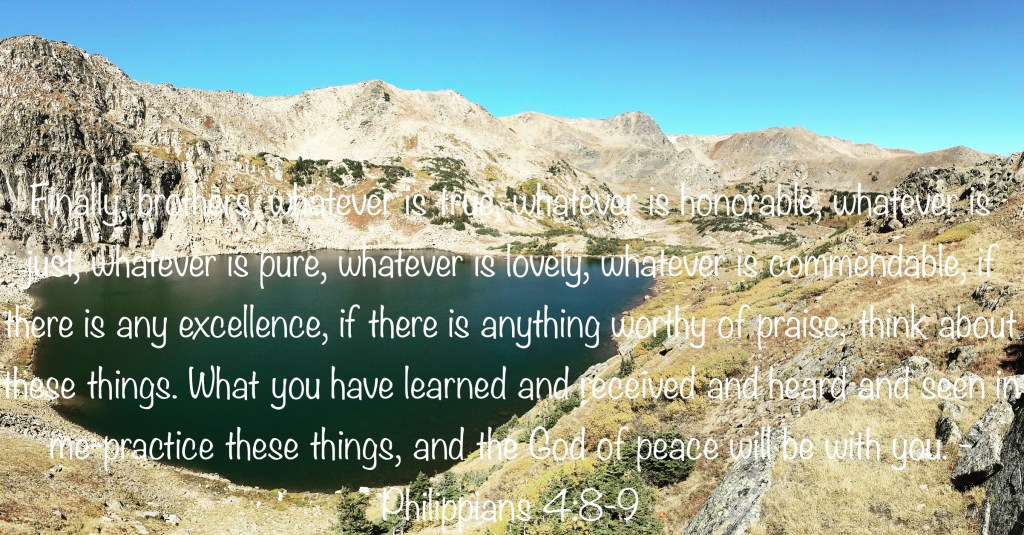
What is your take on this current crisis? Watching the constant barrage of opinions fly, my heart has been meditating on this. What am I doing to be a light in the darkness? What effect are my words and actions having? Are they inspiring hope, bringing peace and comfort to those overcome with fear? Am I being salt, a purifying agent in the midst of hurt and pain?
What about you?
Join us tomorrow night @ 7pm on Facebook for a time of conversation!! Follow the link here for more info!

Have mercy on me, O God, according to your steadfast love; according to your abundant mercy blot out my transgressions. Wash me thoroughly from my iniquity, and cleanse me from my sin!
Psalm 51:1-2
When was the last time you laid it all out to God? Like, really let it all hang out. No hesitation, no concern for what He might think of you or the mess.
When we the last time you just got real with God?
David’s Psalm 51 is maybe my favorite psalm because that’s exactly what he does. He gives us an inside view into his confessional life with God. It wasn’t pretty, and it sure wasn’t censored. He didn’t hold back the brokenness he felt, the deep desire for something greater in his life.
And you know what prompted him to write this Psalm?
Being called to the floor by the Prophet Nathan for his adultery with Bathsheba, his murder of her husband, and his neglect of kingly duty. I mean, you have to understand the significance of the situation. The King of God’s chooses people, anointed by God, is confronted by God’s Prophet who guided by the Spirit leads David into admission and confession for his sin.
To approach a King was a dangerous venture in and of itself. Add to it bringing hefty charges against him as Nathan did, that could easily be the end of your life. But both parties here understood who was really in control, they understood their place before a Holy God. (Check out 2 Samuel 11-12 for the whole story).
David knew his sin had found him. And he knew Nathan was right in his actions. More importantly, he understood the need for cleansing, to be purified of his sin and restored into a right relationship with God.
Purge me with hyssop, and I shall be clean; wash me, and I shall be whiter than snow. Let me hear joy and gladness; let the bones that you have broken rejoice. Hide your face from my sins, and blot out all my iniquities. Create in me a clean heart, O God, and renew a right spirit within me. Cast me not away from your presence, and take not your Holy Spirit from me. Restore to me the joy of your salvation, and uphold me with a willing spirit.
Psalm 51:7-12
David uses familiar imagery for himself and his time. Hyssop was often used for medicinal purposes, but it was also used to sprinkle in Jewish rites of practice. In Exodus 12:22 hyssop is used to spread the blood on the doorposts in preparation for the first Passover. The correction of discipline can be painful, like breaking bones. It can leave a mark, much like David’s adulterous behavior had. But when they heal, there is rejoicing as function and ability is restored.
David comes to understand healing in a deeper, more significant way through this experience. He understands that while his confession and submission is essential, the true work of cleansing is done by God. It is God who makes his heart clean; it is God who renews his spirit.
It is God who brings restoration and salvation.
In a time when sin was reconciled by ceremonial sacrificial offerings, David understood that his need for restoration could not be met by the blood or burning of an animal on the alter.
For you will not delight in sacrifice, or I would give it; you will not be pleased with a burnt offering. The sacrifices of God are a broken spirit; a broken and contrite heart, O God, you will not despise.
Psalm 51:16-17
The animal sacrifices were symbolic of the perfect sacrificial lamb that would be given up as Jesus Christ. And while David probably did not fully know that, he did understand what God was truly interested in. Genuine confession and repentance, a heart and spirit broken by an understanding of the pain our sin brings to God. Understanding our brokenness as sinners, in desperate need of redemption.
See, what I admire most about David is that despite his massive mistakes, that even as King he understood his need to repent. He recognized his brokenness and unworthiness before a Holy God, and his need to be restored before Him.
He wasn’t hesitant when confronted with his sin, to fall face first before God and seek His forgiveness, His mercy and grace. He knew that the only way to have restoration was to lean into God, to trust Him entirely, and rely on His process.
Do you do that? I’ll admit, it’s hard for me sometimes. There are moments that I’m really good at letting down my walls and getting real life itch God. But there are other times that I keep my defenses up, acting like God can’t handle my mess. Not only do I rob myself of the blessing of His love, grace, and restoration, but I rob Him of the joy to bless me with those things. I in essence say “no God, I don’t need that from you” when I know I do.
What would our life be like if we engaged God like David did in Psalm 51? Think about it. How would your prayer life be different? How would your interactions with friends, family, co-workers be if we would let down our defenses with God? What would our life be like if we surrendered ourself to Him, and allowed Him to intervene in the storms we find ourselves in?
Maybe it’s just me reading into it, but I think David found peace. I think he found a renewed purpose to live, and serve in the place God put him.
What’s that worth to you?

We kicked off a new series at The Anchor Church a few weeks ago. The series name is The Main Thing, and we have been diving into who The Main Thing should be in our life, and what that looks like.
This post is number four of a four part series that will mimic the four weeks of the series. Click the video below to watch week four from myself.

Or do they?
I think for most of us, regardless of what we say, we subconsciously wrestle with this thought. People don’t change. In all honesty it’s really easy to arrive at that conclusion.
Think about it. How often has someone hurt you? Not just once, but over and over again. Maybe even by the exact same action as the time before. It’s easy to conclude that they will always be the way they are, they will never change.
Convincing ourselves of this makes breaking relationship a little easier. It’s easier to break off a relationship of any kind when you can “justify” that the person will always be “that way”.
I’ve been the “victim” and the accuser. I know of a person right now making the same selfish choices they were making 10 years ago, only now it has impacted other lives significantly. I’ve had to combat, even over the last 24 hours, this idea that they will never change. I remember in the midst of my divorce being told I would never change, that the destructive relational habits I had developed would be my practice forever.
People don’t change.
When you stop for a moment and think about it, this mindset really is destructive in itself. The idea that people will always be the way they are, nothing good will ever come of them, it’s depressing. It tears down and fails to identify and understand an eternally important truth.
But God.
To rest in the framework that people can’t change neglects the truth of the gospel, of Jesus’ mission and sacrifice; it disregards the work of the Holy Spirit. When we think, or dare say that someone is incapable of change we completely disregard the work that can be done by and through Jesus Christ’s death and resurrection.
It’s that serious.
And yet, we find it so easy to convince ourselves of it.
The truth is people can change, but it’s a choice. The option is there, the opportunity is always present; the question isn’t if they can change, but will they?
Being told I would never change became one of the biggest motivators for me to evaluate my priorities, my actions, the choices I was making. While I don’t agree with telling people they will never change, being confronted with that harsh criticism gave me the motivation I needed at that moment to take action.
See, I knew in my heart that what I was told wasn’t true. I knew change was possible. Growth was attainable. And while I understood I couldn’t do it on my own, I knew it began with a choice I had to make.
Surrender.
Up to that point my focus had really been on me. When I was really honest with myself, I did what I did for me. If it happened to benefit others, great. My mindset, the priorities in my life had to be rearranged or change would not happen.
I love how Paul tackles this in his letter to the church in Rome. In chapter 12 he begins by stressing to his readers the significance and importance of living for Jesus. In the first verse he uses the Greek word παρακαλέω (parakalĕō), literally meaning to implore, beseech, or appeal. Paul is pleading with his fellow believers to live holy lives in pursuit of Jesus.
But Paul also understood it begins with change. That’s why he follows in verse two with this….
Do not be conformed to this world, but be transformed by the renewal of your mind, that by testing you may discern what is the will of God, what is good and acceptable and perfect.
Romans 12:2
Paul believed change was possible, because Jesus made it possible. But it is a process we must engage in actively. Growth is painful, change takes time, and we have to be willing to surrender our selfish desires to begin the process.
Where are you? Are you stuck in destructive patterns? Do you continue to make destructive choices and feel like you can’t change? Are you convinced people will always be the way they are? Jesus has a different story. And the really cool thing is, He wants you and me to be a part of it. He wants us to change, to be transformed by His power.
What’s holding you back?
We kicked off a new series at The Anchor Church a few weeks ago. The series name is The Main Thing, and we have been diving into who The Main Thing should be in our life, and what that looks like.
This post is number three of a four part series that will mimic the four weeks of the series. Click the video below to watch week three from myself.

We kicked off a new series at The Anchor Church a few weeks ago. The series name is The Main Thing, and we have been diving into who The Main Thing should be in our life, and what that looks like.
This post is number two of a four part series that will mimic the four weeks of the series. Click the video below to watch week two from Pastor Alex.
We kicked off a new series at The Anchor Church a few weeks ago. The series name is The Main Thing, and we have been diving into who The Main Thing should be in our life, and what that looks like.
This post is one of a four part series that will mimic the four weeks of the series. Click the video below to watch week one from Pastor Alex.
I’ll be honest, I’m a young parent. Young in the sense of my actual parenting experience spans just over 4 years. And I openly admit I don’t know a lot, I’m still learning. While I’ve worked with kids and families a lot in the past, parenting your own kids is different. I can’t just say “good luck” and go home to my kid-free life!
Now I have an 11 year old daughter, a 4 year old son, and a 6 month old baby girl. If you’re doing the math, I know it doesn’t add up. I chose to bring an 8 year old little girl into my life almost 4 years ago when my wife and I began dating. By that point I had my son, but he was just a little guy.
What I’m learning is that the little ones are easy. Correction and discipline are typically a walk in the park. The slightest correction with my son often brings his tender heart to a melting point. He has such a genuine concept of right and wrong, and a desire to obey that when he doesn’t it breaks him in two. My baby girl, well we are still at the eat, play, poop, sleep stage I think.
My pre-teen, spicy, independent soon-to-be 12 year old middle school girl? She tests me! Finally having an every-day dad in her life I know hasn’t been an easy adjustment. For years, because of choices her dad made, it was just her and mom. So naturally me coming into the picture rocked her boat. And yes, even almost 4 years later we are still working at it.
Having a daughter is a blessing, don’t get me wrong. But man, there are days I so badly want to go back to her being the sweet little 8 year old who didn’t have as much sass and attitude! There are moments, like earlier tonight, where her choice in action, attitude, and words put my patience to a whole new test. These are moments my anger easily flares, and my wife graciously de-escalates me before I go tear into my little girl.
And that’s being real. The truth is when I feel disrespected and dishonored by her intentional choices, I get angry. I get really angry, because I know she hasn’t been raised in a way that encourages deceit, a poor work ethic, and a lack of care for consequences. And my natural inclination is to swing the hammer down to make a point.
But I also know that while doing so might be a great emotional release for myself, it does nothing constructive for her.
When I respond harshly out of my emotions, it drives a wedge between us that is not easily removed. But when I respond with correction out of love, the outcome will be different. I’m not advocating nor do I fail to enforce consequences for her poor choices. But the approach in which it is done must be correct.
There are a lot of aspects in which being her present every-day dad brings me joy. Her inquisitive nature, her story telling, and artistic creative abilities are just a few. But there is nothing I find enjoyable about discipline with her.
Despite the hardship I feel, the lack of joy it brings me to enforce consequences when she makes mistakes, I know it’s worth it. I know that every time her mom and I hold her accountable for her choices, it’s for her best interest. I find comfort in the principle (understand it’s not a promise, or a guarantee) we find in Proverbs:
Train up a child in the way he should go; even when he is old he will not depart from it.
– Proverbs 22:6
Regardless of the circumstances, the pain I feel in the midst of carrying g out discipline, the agony of saying “no” to her request to do something deep down I want her to be able to do, I find comfort that right correction can bear fruit. But even if you don’t believe that, even if you think your discipline isn’t making a positive impact, as parents we are still called to train our children. And that includes discipline.
Notice the effect is dependent on the cause, but the cause is not dependent on the effect. In other words, regardless of the outcome, as parents we are still expected to raise our children correctly. Remember it’s a principle, not a promise that they will turn out “right”. As a follower of Jesus, that means teaching them how to follow Jesus themselves in word and deed. Right now for me, that often means helping my little girl see and understand the discrepancies in her logic, which in turn impacts her words and actions.
I never thought parenting would be easy. I knew there would be challenges, pain, frustration. I believed being a dad would be filled with joy. It never occurred to me though, how moments in the midst of raising someone you love so much can be so heart breaking in the moment. As with most things, parenting has its un-enjoyable moments too. But keeping the right perspective on why we discipline, why we correct poor choices and behavior is essential to finding the joy in the overall process.
After all, it’s really about raising someone who ends up loving Jesus more than anything else. That takes time, it takes growth. And growth often times comes through discipline and correction.

 Pastor Luke
 Eternal Viewpoint
Recent Comments