
Raising a Generation of Resilience: Instilling Enduring Faith in the Hearts of Our Children
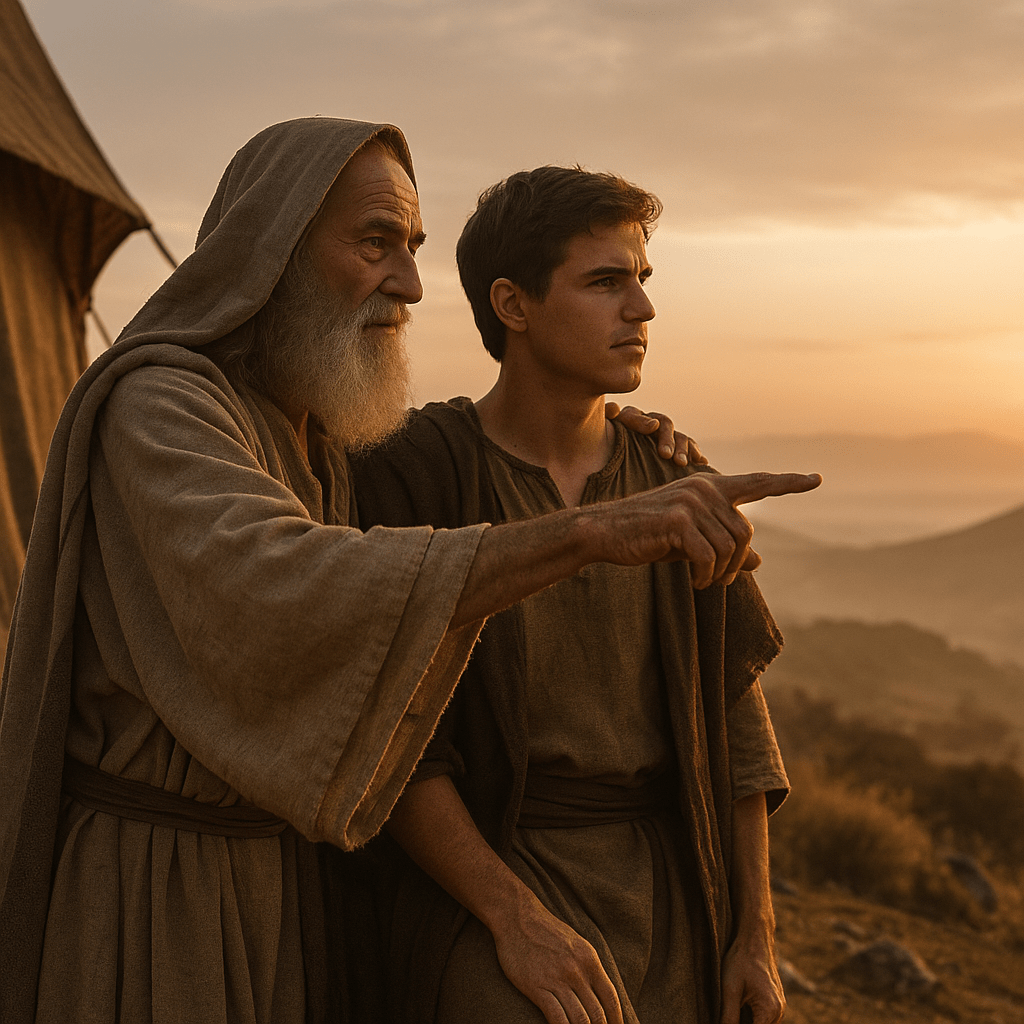
“But as for me and my house, we will serve the Lord.” — Joshua 24:15 (ESV)
In a world that constantly shifts—morally, culturally, and spiritually—our children and teens face battles we never imagined. The question that burdens many of us as parents, mentors, and leaders is this: How do we raise kids who don’t just survive the chaos but stand firm in their faith?
We live in a generation where conviction is often labeled intolerance, truth is seen as relative, and identity is shaped more by social trends than Scripture. The faith of our sons and daughters is being forged in a furnace of competing voices. In that furnace, what they’ve merely heard won’t sustain them—but what they’ve been formed in will.
We don’t need to raise the most talented, charismatic, or socially successful kids. We need to raise kids with deep roots in Christ—children who know God personally, who walk with Him intimately, and who won’t trade His promises for the passing applause of culture.
That kind of faith doesn’t happen by accident. It’s cultivated with intention. It’s nurtured through presence. It’s anchored in truth that’s lived out day by day, choice by choice, moment by moment.
The goal isn’t simply well-behaved children—it’s resilient disciples.
And few biblical relationships illustrate this better than the one between Moses and Joshua.
Though Joshua wasn’t Moses’ biological son, the spiritual legacy Moses passed on to him shaped not only Joshua’s future—but the future of an entire generation.
Moses and Joshua: A Model of Spiritual Legacy
Moses wasn’t assigned to raise Joshua. He chose to. Though not bound by family ties, their relationship reveals a powerful example of intentional, generational discipleship—where faith isn’t merely taught, but transferred. And it was that transfer, not of status but of spiritual substance, that equipped Joshua to lead when the mantle passed.
Their bond was forged in sacred spaces, tested in wilderness trials, and anchored in shared encounters with God.
We first see this dynamic in Exodus 24:13, where Moses rises with “his assistant Joshua” to ascend the mountain of God. Joshua wasn’t invited into the thick cloud where Moses met with the Lord—but he came as far as he could. He didn’t demand a platform—he occupied a posture. He followed. He waited. He watched.
This early glimpse speaks volumes. While Moses was encountering God face to face, Joshua was cultivating a life that would one day carry the weight of that encounter.
In Exodus 33:11, after Moses leaves the tent of meeting, Scripture notes that “his assistant Joshua the son of Nun, a young man, would not depart from the tent.” Why does this matter?
Because the tent of meeting symbolized the place of divine presence. Joshua didn’t linger out of duty—he lingered out of desire. He had caught something by watching Moses: an appetite for God’s nearness. This wasn’t secondhand spirituality. It was firsthand hunger.
Keep in mind that Joshua had seen miracles—the plagues in Egypt, the parting of the Red Sea, manna in the desert. But more than signs and wonders, he saw Moses’ dependence on God. And that left the deepest impression.
By Numbers 11:28, we find Joshua not just observing, but defending Moses. When others prophesied in the camp, he urged Moses to silence them. His loyalty was evident—but so was his limited understanding. Moses responded graciously, essentially saying, “I wish all of God’s people would prophesy.” It’s a subtle moment of teaching—a lesson in humility and leadership Joshua would need later.
Then, in Deuteronomy 31:7–8, we witness the formal transfer. Moses commissions Joshua publicly, declaring, “Be strong and courageous… it is the Lord who goes before you. He will be with you; he will not leave you or forsake you.”
This wasn’t just a passing of responsibility—it was a public affirmation of God’s calling. Moses knew his time was ending. But he also knew the mission was bigger than one man’s life. So, he raised up another.
And God Himself seals this transition in Joshua 1:5, saying, “As I was with Moses, so I will be with you.” Notice—God doesn’t promise identical outcomes, but consistent presence. What Joshua inherited was not Moses’ leadership style—it was his devotion to the Lord.
Joshua had been prepared—not with position or prestige—but with presence. He didn’t gain resilience by studying strategy. He gained it by soaking in the presence of the One who had sustained Moses through every season.
Before Joshua ever led armies, he lingered in the tent. Before he ever crossed the Jordan, he climbed the mountain at Moses’ side. His courage wasn’t self-manufactured—it was the overflow of years of unseen formation.
In a culture obsessed with platform and performance, Moses and Joshua remind us that legacy is not about passing down influence—but intimacy with God.
Passing the Baton: How We Can Raise Faith-Filled Children Today
The relationship between Moses and Joshua wasn’t defined by programming or polished parenting strategies. It was marked by proximity, consistency, and spiritual depth. Moses didn’t simply instruct Joshua—he included him. He didn’t just teach faith; he modeled it in real time.
In the same way, we are called to raise a generation that doesn’t just inherit our traditions—but embraces our trust in God as their own.
Whether you’re parenting toddlers or mentoring teens, here are three biblical and practical ways to cultivate resilient faith in the next generation:
1. Let Them See You Seek God First
Before Joshua became a man of courage, he was a young man of curiosity. He observed Moses—not just as a leader of Israel, but as a seeker of God’s presence. In Exodus 33:11, we’re told that after the Lord would speak with Moses face to face, “his assistant Joshua the son of Nun, a young man, would not depart from the tent.” This detail isn’t filler—it’s formation.
Joshua didn’t stay in the tent because he had to. He stayed because he wanted to. Why? Because he had seen Moses pursue God with such sincerity, such consistency, that it stirred a longing in Joshua’s own spirit. That’s the power of visible devotion—it awakens desire.
This principle echoes throughout Scripture. Paul told the Corinthian believers,
“Be imitators of me, as I am of Christ” — 1 Corinthians 11:1
He understood that people grow into what they see, not just what they’re told. The same is true in our homes.
Your children may not always remember your words, but they’ll remember how often they saw you open your Bible. They’ll remember if you stopped to pray instead of panic. They’ll recall whether you worshiped through hardship or only when life was good. These small, unseen acts of devotion are seeds of resilience.
Psalm 78:5–7 captures the generational call to model and transmit faith:
“He commanded our ancestors to teach their children, so the next generation would know them… Then they would put their trust in God and would not forget his deeds but would keep his commands.”
Notice the flow: instruction ➝ remembrance ➝ trust. What we teach is powerful—but what we live is unforgettable.
It’s not about perfection. Moses was flawed. He doubted. He wrestled. He made mistakes. And yet, Joshua still stayed close. Why? Because Moses consistently returned to the Lord. That’s what stuck with Joshua—not a sanitized version of spirituality, but a surrendered one.
So let your kids overhear your prayers—not just the polished ones before dinner, but the raw ones when you’re unsure. Let them see you prioritize time in the Word, even when it costs you sleep or convenience. Let them see you repent when you fall short. These moments preach louder than any lecture.
Children don’t become resilient by watching us perform—they become resilient by watching us seek.
Your hidden habits become their future instincts.
Your private devotion becomes their visible direction.
Your pursuit of God today becomes their pattern of faith tomorrow.
2. Involve Them in the Journey, Not Just the Outcome
Joshua didn’t become a leader in isolation—he was shaped through proximity. He didn’t merely read about God’s wonders; he walked alongside Moses and witnessed them firsthand. From the Red Sea crossing to the bitter waters of Marah, from manna in the wilderness to moments of national rebellion, Joshua wasn’t just learning facts about God—he was experiencing the faithfulness of God through every twist and turn of the journey.
In Exodus 17:8–13, Moses calls Joshua to lead Israel’s first military battle against Amalek. It’s an early test of responsibility—but not without support. Moses stands on the hilltop interceding, staff in hand, while Joshua fights below. It’s a powerful image of generational partnership: Moses prays; Joshua presses forward. Victory comes not from one or the other—but from both walking faithfully in their roles.
Children and teens learn spiritual endurance not from watching us succeed—but from watching us struggle faithfully. Our impulse is often to protect them from pain or failure. But God shapes them not just through victories, but through shared valleys. When we include them in the process—not just the polished end result—they learn to trust God in real time.
Scripture affirms this principle. In Deuteronomy 6:6–9, God commands His people:
“And these words that I command you today shall be on your heart. You shall teach them diligently to your children, and shall talk of them when you sit in your house… and when you walk by the way…”
Notice it’s not formal instruction alone—it’s life-on-life. Faith is taught best in the ordinary rhythms of real life. Sitting. Walking. Rising. Lying down.
So what does this look like today?
- Invite your child to serve alongside you at church or in your community.
- Talk openly about your prayer requests and invite them to pray with you.
- Let them sit in the tension with you when you’re waiting on God to provide.
- Include them in celebrations when God answers—even in small things.
- Model perseverance when you don’t feel like worshiping but choose to anyway.
When Joshua finally stepped into leadership in Joshua 1, he didn’t do so untested. He had spent years watching, walking, fighting, waiting, and worshiping under Moses’ mentorship. His confidence wasn’t rooted in skill—it was rooted in God’s proven faithfulness, which he had seen time and again on the journey.
If we want our kids to stand firm in the Promised Land, we must walk with them through the wilderness.
Let’s not just hand them the “what” of faith—let’s show them the how. Let’s not just give them memory verses—let’s give them memories of God’s goodness. Invite them into your journey. Let them taste the manna. Let them see water flow from the rock. Let them wrestle with questions and walk through disappointment without shielding them from reality.
That’s where resilience is formed.
3. Call Out Their God-Given Identity Before They Step Into It
Joshua didn’t wait until he felt “ready” to lead—he stepped into his calling because someone called it out in him first.
Before he ever crossed the Jordan or led Israel into battle, Moses publicly affirmed Joshua’s divine appointment. Moses summoned all of Israel and speaks directly to Joshua, saying:
“Be strong and courageous, for you shall go with this people into the land… It is the Lord who goes before you. He will be with you; He will not leave you or forsake you.” — Deuteronomy 31:7–8
This moment isn’t merely ceremonial—it’s formational. Moses speaks courage into Joshua before the conquest begins. He doesn’t say, “Once you prove yourself, then I’ll affirm you.” He says, “Be strong now, because God is already with you.”
And when Moses dies, God Himself echoes those same words in Joshua 1:5–9, repeating the phrase “Be strong and courageous” three times. The affirmations Joshua heard in secret were now spoken by God in public.
This is what resilient faith requires: a clear sense of identity that is rooted in God’s presence, not performance.
Our children are bombarded with voices trying to define them—voices from culture, social media, peers, and even their own insecurities. If we, as parents and spiritual leaders, don’t become the loudest voices calling out their identity in Christ, someone else will fill the void.
Paul knew this when he wrote to Timothy, his spiritual son,
“Let no one despise you for your youth, but set the believers an example…”
— 1 Timothy 4:12
Timothy’s calling needed affirmation before it could blossom. That’s why Paul constantly reminded him of who he was and Whose he was.
In the same way, our children need to be reminded—regularly—that they were created on purpose, for a purpose. That their identity is not found in what they do, but in whose image they bear. That God’s plans for them are good, even if they feel uncertain.
So speak life often and specifically:
- “I see the compassion of Christ in the way you care for others.”
- “God has given you a strong voice—you’re meant to use it for good.”
- “I know this is hard, but I believe God is making you brave through it.”
- “You’re not too young to make a difference for the Kingdom.”
What we consistently call out in our children becomes the framework for how they see themselves.
Even Jesus, before beginning His public ministry, was affirmed by His Father:
“This is my beloved Son, in whom I am well pleased.” — Matthew 3:17
He hadn’t preached a sermon, performed a miracle, or endured the cross—but He was already fully loved, fully known, and fully affirmed.
If Jesus needed to hear that—so do our kids.
Let’s not wait until they’re grown to tell them who they are. Let’s start now. Let’s name their gifts, affirm their character, and echo the Father’s love into their hearts before the world gets its say.
That’s how you raise resilient faith. Not by forcing them to be something they’re not—but by affirming who God already created them to be.
Raising a Generation That Lasts
If the story of Moses and Joshua teaches us anything, it’s that spiritual legacy isn’t accidental—it’s intentional. Joshua didn’t become resilient because of a single defining moment. He became resilient because of a lifetime of formation in the shadows of a man who walked with God.
He saw Moses seek God in secret and in public.
He was invited into the wilderness, not just the victory.
He was called out before he ever felt ready to lead.
And when the time came for Joshua to step into his calling, he did so with strength—not because he was fearless, but because his faith had been formed.
We don’t need to raise perfect kids—we need to raise prepared ones. Kids who know how to wrestle with doubt without walking away from truth. Teens who understand that hardship doesn’t mean God has abandoned them. Young adults who don’t just carry the faith of their parents, but have built their own altar and encountered God for themselves.
This generation doesn’t need more hype. They need roots. And we, as parents, pastors, and mentors, are the ones called to plant them.
So seek God—let them see you linger in His presence.
Include them—let them walk the journey with you, not just watch from a distance.
Speak life—remind them who they are before the world tells them who they’re not.
Because what we build now doesn’t stop with us—it becomes the foundation they stand on.
Legacy isn’t what we leave behind—it’s what we live before them.
May we be like Moses—flawed but faithful. May we raise up Joshuas—resilient, courageous, and grounded in God. And may the generations behind us go further, stand stronger, and remain anchored—not because life is easy, but because their faith is real.
The time to raise a generation of resilience is now.
Let it begin with you. Let it begin with me.

 Pastor Luke
 Eternal Viewpoint
Recent Comments